Throughout modern history, major political and social changes have often started with young people. From student demonstrations to youth-led reform movements, younger generations have frequently been the first to challenge existing systems and demand change.
Many historical movements were initially driven by students and young workers who questioned political decisions, economic systems, or social inequalities. This pattern has appeared repeatedly across continents.
However, what makes Generation Z different from previous generations is the environment in which they organize and communicate.
Unlike earlier generations that depended on traditional media, newspapers, and political organizations to mobilize support, Gen Z operates in a fully connected digital world. Social platforms such as TikTok, Instagram, and X (Twitter) allow ideas, protests, and campaigns to spread rapidly across countries.
Because of these tools, a message posted in one city can reach millions of people worldwide within minutes.
Youth and Political Change in History
Youth participation in political change is not new. Throughout the 20th and 21st centuries, student movements and youth-led demonstrations have influenced political reforms, social policies, and national debates.
In earlier decades, organizing such movements required physical meetings, printed materials, and the support of traditional media outlets.
For Generation Z, organization is faster and more decentralized. Online communities can coordinate actions without formal leadership structures. Livestreams, hashtags, and viral videos allow movements to grow quickly and gain international attention.
This digital environment has reshaped how public pressure develops and how governments respond.
Example 1: Youth Mobilization in Bangladesh
One example of youth influence occurred in Bangladesh, where student-led demonstrations gained momentum through online networks.
Young activists criticized economic challenges and governance issues while using social media platforms to organize protests and share updates. University students played a major role in mobilizing crowds and spreading information across different cities.
As demonstrations expanded, the protests placed significant political pressure on the administration led by Sheikh Hasina.
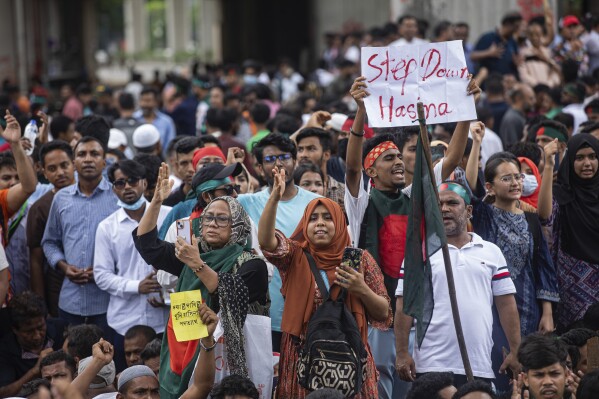
Young protesters in Bangladesh gather in large crowds, demonstrating for change.
Example 2: Digital Protests in Kenya
In Kenya, youth-led protests organized largely by Gen Z activists demonstrated the power of digital coordination.
Young citizens used hashtags and shared videos through X (Twitter) and TikTok to criticize government economic policies and proposed tax reforms introduced by William Ruto.
Unlike many past demonstrations that were organized by political parties or unions, these protests were largely decentralized. Many participants described the movement as driven by ordinary young citizens communicating online rather than by established political structures.
The protests attracted international attention and encouraged discussions between government officials and youth representatives.
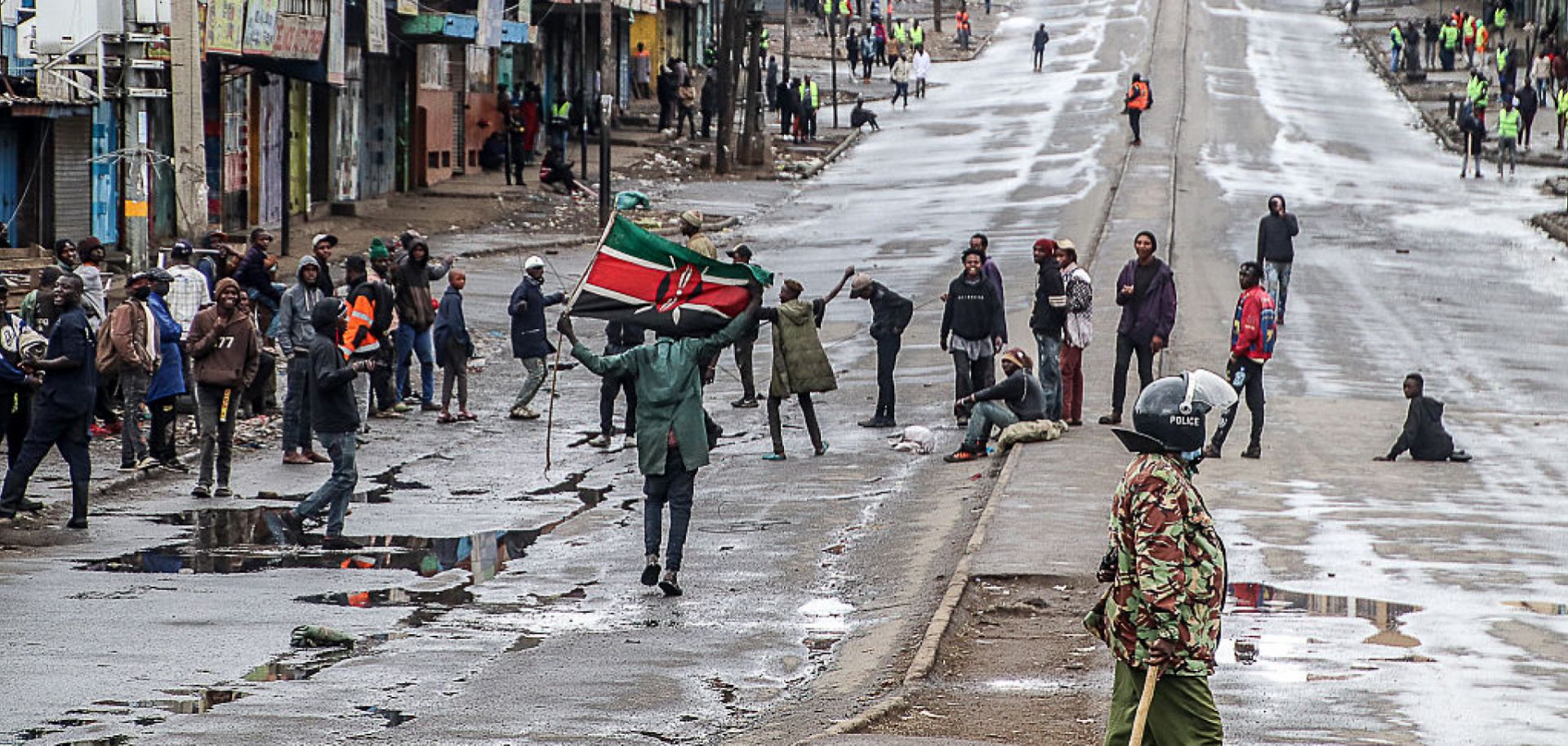
Kenyan Gen Z protesters use smartphones and social media to organize and share their message.
Example 3: Elections Influenced by Social Media in Romania
Another example of Gen Z influence can be seen in Romania, where social media platforms increasingly shaped political engagement and election discussions.
Young voters played an important role in promoting candidates, sharing political messages, and discussing policies online. Platforms such as TikTok became major spaces where political content circulated among younger audiences.
For many Gen Z voters, political information was accessed more through social media videos and digital discussions than through traditional television debates or newspapers.
This shift illustrated how elections themselves are gradually adapting to the communication habits of younger generations.

Romanian youth engage in political discussions and follow election news on their smartphones.
What Makes Gen Z Different
- Digital-first communication: Movements are organized through social platforms rather than traditional structures.
- Fast information flow: Videos and livestreams allow events to be shared instantly.
- Decentralized organization: Movements often operate without a central leadership.
- Global connectivity: Local issues can gain international attention within hours.
Conclusion
History consistently shows that young people often initiate periods of political and social transformation. What distinguishes Generation Z is the digital infrastructure that supports their activism and communication.
Events in Bangladesh, Kenya, and Romania illustrate how modern youth movements operate through technology, social networks, and rapid information sharing.
As this generation continues to grow in political participation and professional leadership, their digital approach to communication and organization is likely to remain a defining factor in how societies and governments respond to public demands.
Support Youth Voices and Digital Activism
Gen Z is shaping the future of political change through digital tools and collective action. Join us in supporting youth-led initiatives and amplifying their voices for a better tomorrow.
Visit us: www.mararanifoundation.org
Follow our journey for updates on youth and community initiatives
Building Better Tomorrow, Together